
Introduction
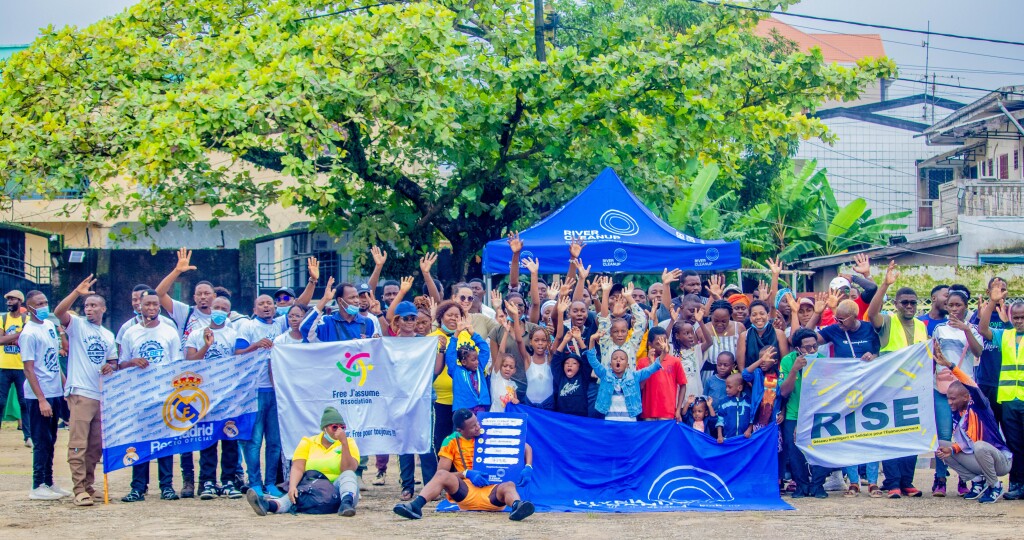
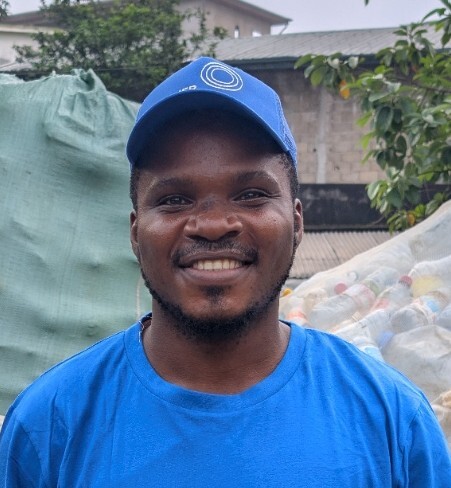
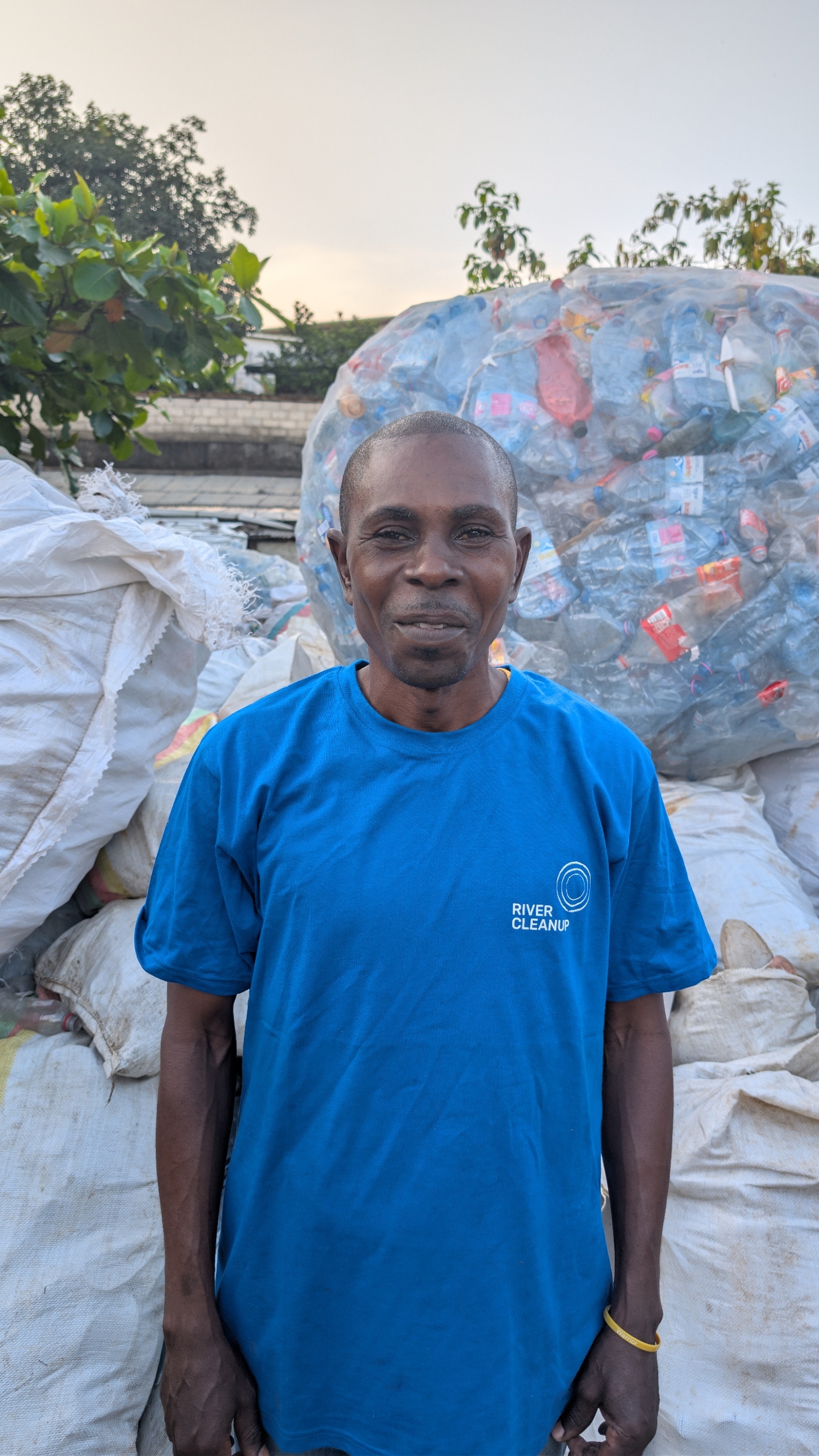
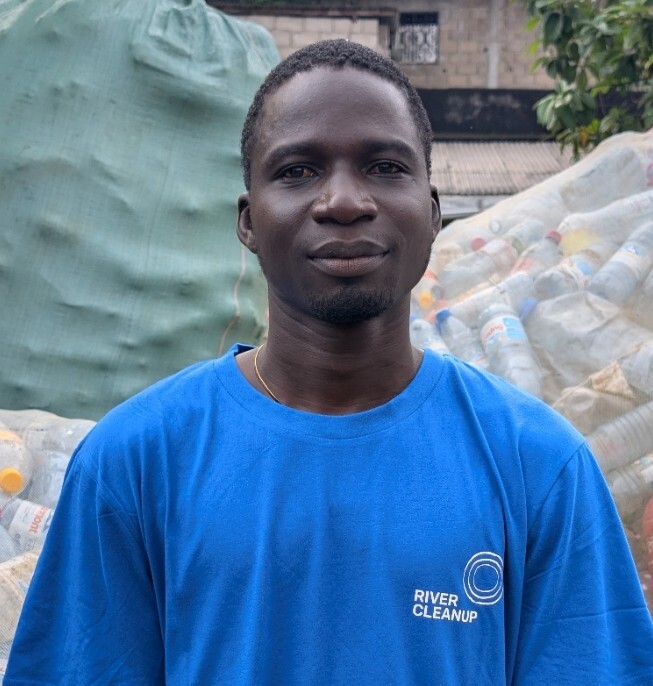
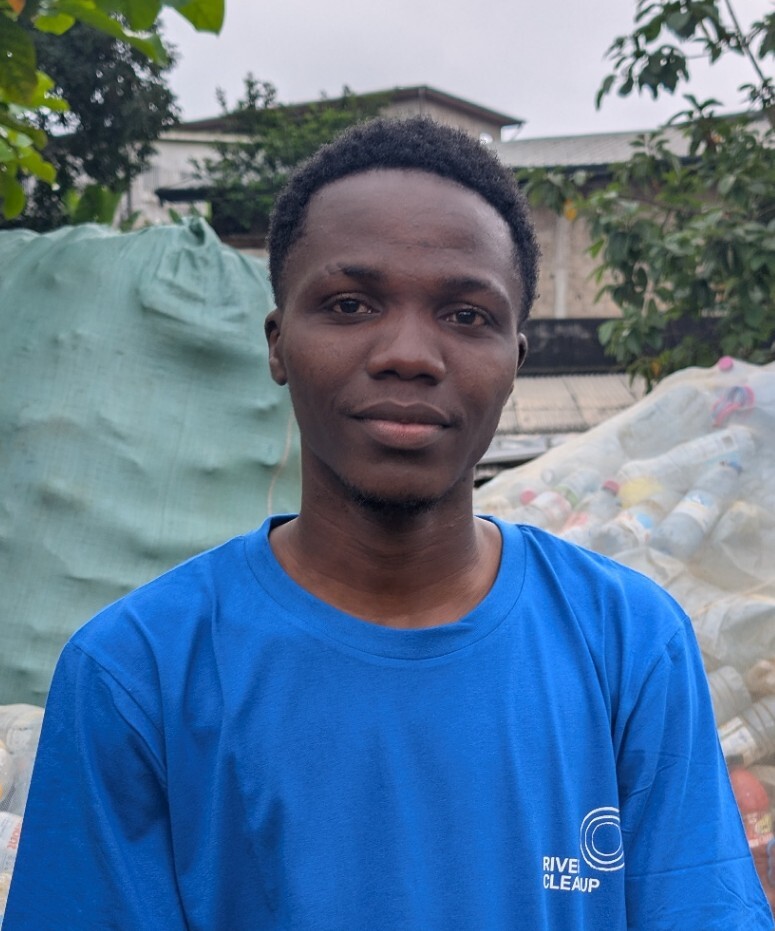
River Cleanup has been active in Cameroon since 2020 and have seen our impact grow over the years. By connecting with many volunteers, associations and communities we were able to raise awareness on plastic pollution and spark the transition to a better tomorrow.
Our Clean River Model
The Clean River Model is our open-source theory of change designed to achieve plastic-free rivers. It is built on three core pillars and supported by three key enablers. Through this model, we aim to stop new plastic pollution at the source and remove existing plastic waste from rivers in the most effective and cost-efficient way.
In Cameroon, we apply the Clean River Model to set the Wouri River on a path to becoming plastic-free. Below, you can learn how we implement each element of the model in the local context.
For more information on the model, visit the Clean River Model page.
Empower people
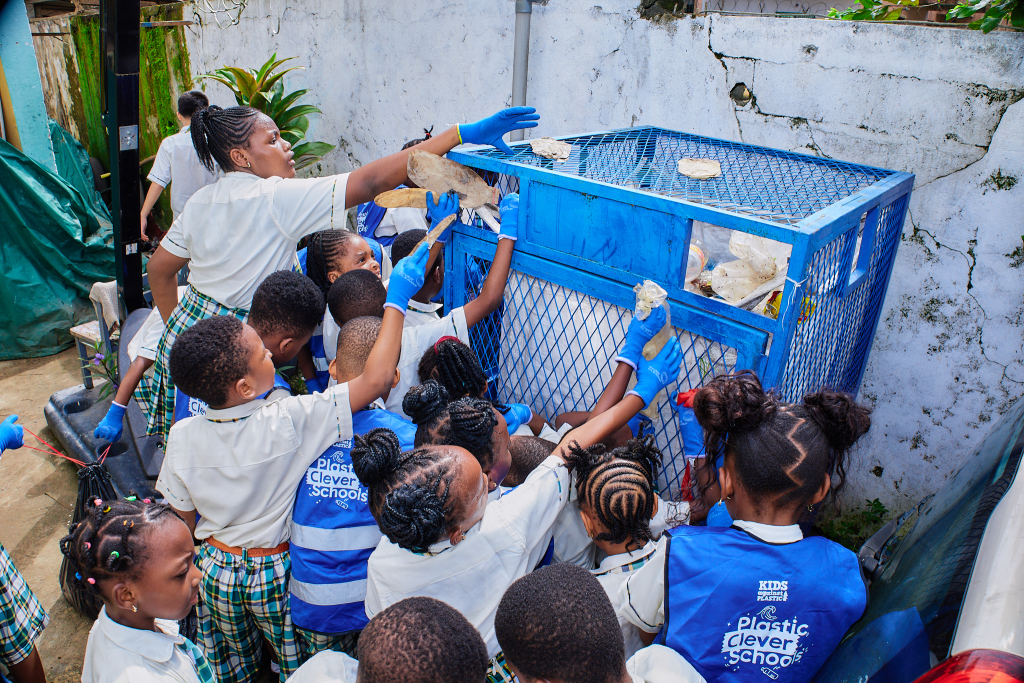
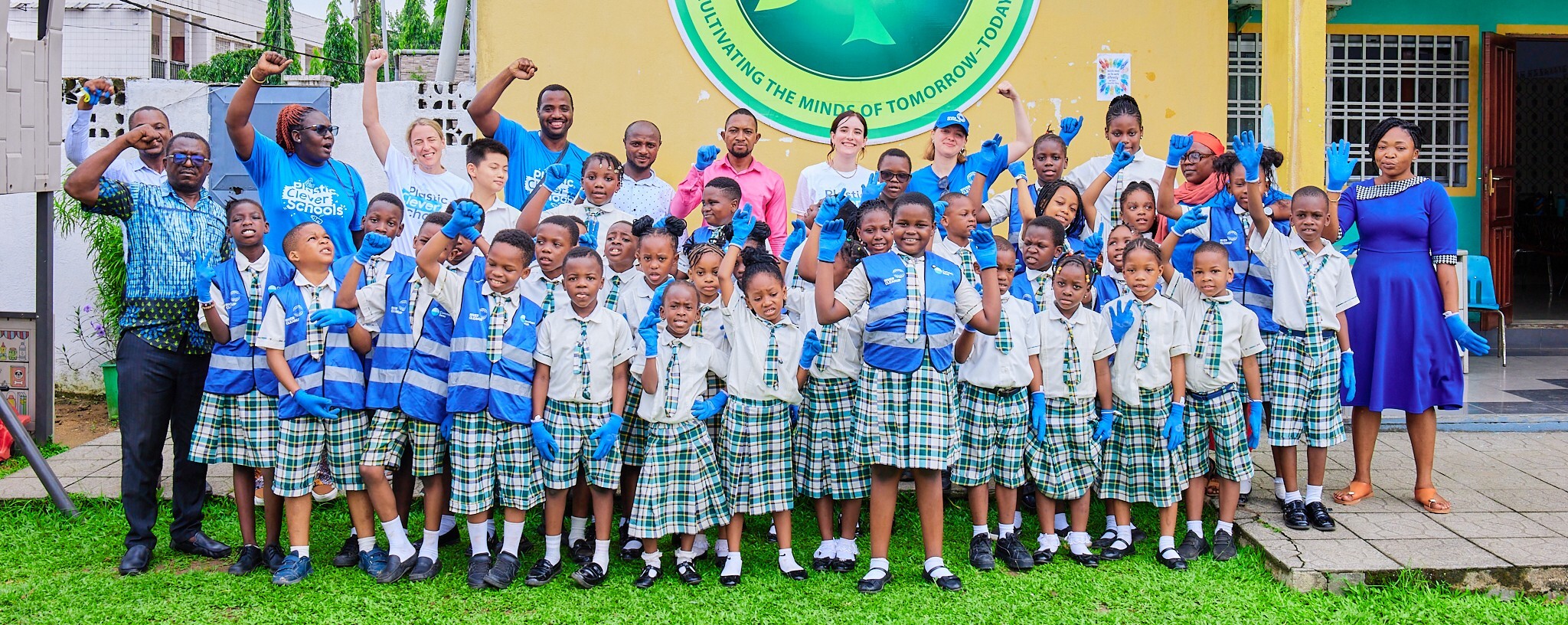
We strive to raise awareness and foster lasting community involvement to tackle plastic pollution at its source. By helping stakeholders understand the root causes of plastic waste in rivers, we aim to deepen knowledge and inspire meaningful action. Our approach includes regular community activities uniting men, women, children, and teenagers, such as routine river cleanups and interactive sessions in schools through our School Program.
To amplify impact, we host monthly River Cleanup Days and participate in global events like World Environment Day and World Cleanup Day. We strengthen local ownership by partnering with community leaders and have gathered insights from three communities on this community-led model.
Prevent pollution
Our prevention strategy tackles plastic pollution at every stage—from source to river.
We’ve installed EcoBins in schools to promote waste separation there as young minds are eager to learn and drive change. We also run daily cleanups with our river warriors, removing waste from rivers and illegal dumping sites. All collected materials are taken to our Material Recovery Facility (MRF), where they’re sorted and sent to recyclers for processing—keeping plastics from reaching the Wouri river. Finally, we inspire people to cut down on plastic use. Check out our database full of practical ideas to help reduce your plastic footprint!
Accelerate change
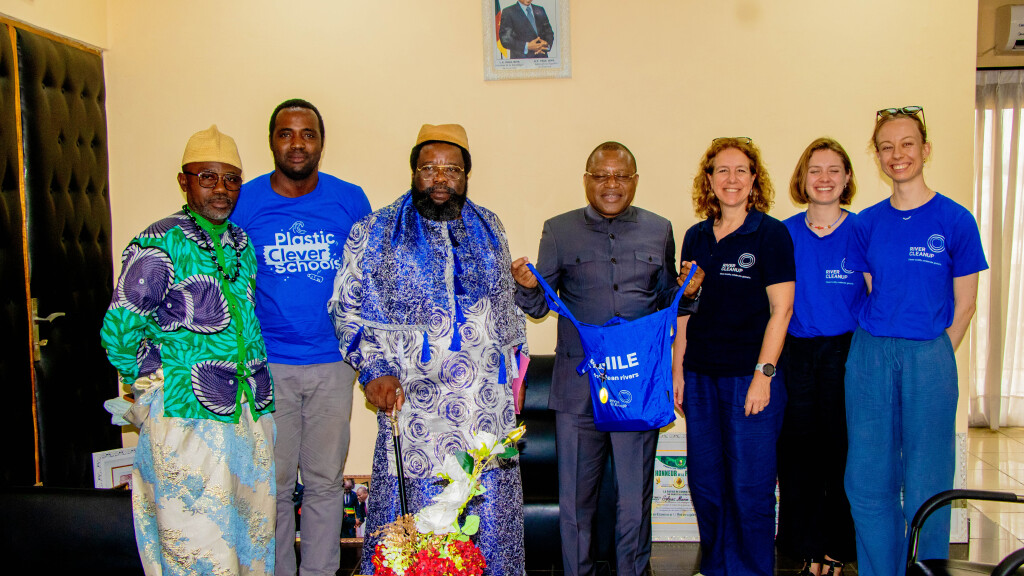
Our acceleration pillar focuses on strategic partnerships to fast-track the journey toward plastic-free rivers. We collaborate with government stakeholders by sharing data, insights, and best practices, building a structured, evidence-based approach that can be adopted widely to accelerate impact.
To strengthen these efforts, we are actively collecting data and conducting assessments to better understand pollution sources. We involve local authorities not only through consultations but also during cleanup events and EcoBin deployments, building trust and gaining support for long-term solutions.
Assessment & Impact
Three enablers of the Clean River Model were identified to enhance our insights into the issue and highlight the impact we’re achieving:
Assessment
We prioritize intervention areas based on potential impact, required effort, and scalability.
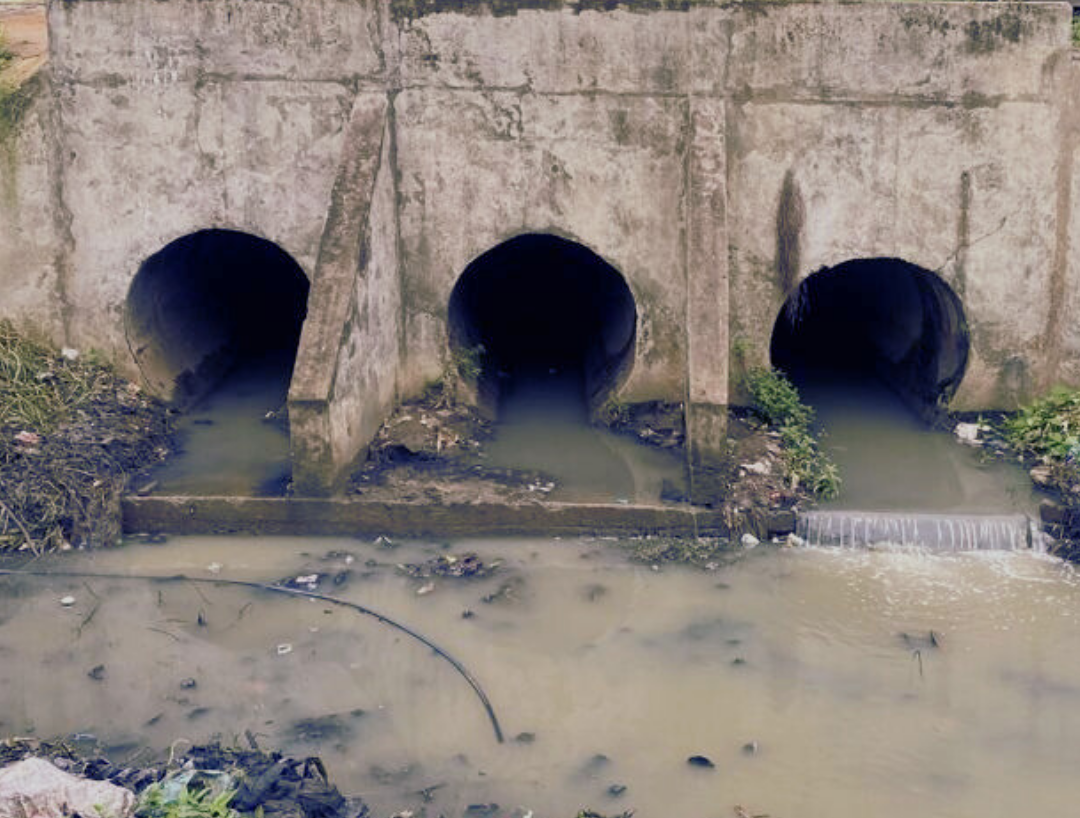
To design effective, river-specific action plans, we begin with a solid understanding of the problem—examining root causes, river characteristics, ecosystem services, ongoing interventions, and key stakeholders. This approach allows us to focus on early-stage interventions in the plastic lifecycle that empower communities, prevent pollution, and accelerate systemic change. It also forms the foundation for ongoing monitoring and impact evaluation.
As part of this effort, we’re conducting a baseline assessment across three rivers in our action zone. This includes stakeholder mapping, identifying plastic leakage patterns, and measuring plastic volumes, providing the insights needed to target solutions where they are most needed.
Planning & financing
Building on our assessment, we are developing a detailed, river-specific action plan to guide implementation and track progress. This plan includes clearly defined KPIs to monitor and evaluate impact over time. Its goal is to ensure the successful execution of our Clean River Model by outlining targeted interventions, effective project organization, and risk mitigation strategies. Backed by data and insights from the baseline assessment, the plan also supports efforts to secure necessary funding and align stakeholders around a shared vision for cleaner, plastic-free rivers.
Monitoring & evaluation
We track the progress and effectiveness of our Clean River Model interventions by regularly monitoring key performance indicators (KPIs) and evaluating outcomes against established baselines. This ensures we stay aligned with our goals, adapt where needed, and demonstrate measurable impact over time. Our approach provides continuous learning, helping us refine strategies, prioritize high-impact actions, and share insights with stakeholders. By combining data-driven monitoring with community feedback, we can strengthen interventions, prevent plastic pollution more effectively, and accelerate progress toward cleaner, plastic-free rivers, ensuring long-term sustainability of our initiatives.
Our impact in Cameroon
- 374
- Events
- 20 111
- Warriors
- 1 848 917
-
kg waste
These stats contain Collected & Recovered trash
-
Collected= 24 299 kg
Recovered = 1 822 230 kg
Projects in Cameroon
3 ways to contribute
Join a cleanup
Did you know that the River Cleanup community organizes cleanup actions worldwide, including in Cameroon?
In many cases, the organizers provide all necessary equipment and guidance—you just need to show up and take part! Several times a year, we also host major global events such as World Cleanup Day, the #10minchallenge, and our monthly River Cleanup Days.
Click the “Join” button below to discover upcoming events and get involved! By participating, you help remove plastic from rivers, raise awareness, and support cleaner, healthier communities across the globe.
Organize a cleanup
You can organize your own cleanup too! Whether it’s just you, a group of friends, colleagues, local schools, or community members, you get to choose the time, place, and how the event runs. For tips and guidance, check out our 'How to organize a cleanup' page - it’s easier than you think!
Ready to get started? Register your cleanup on our website so others can see it, join in, and celebrate your efforts. Don’t forget to upload photos and share your experience with the River Cleanup community, inspiring more people to take action.
donate
You can make a one-off or monthly donation, or organize a fundraiser, for example for your birthday, wedding, or an important sports event. Your contribution enables us to achieve our mission by cleaning rivers, changing behaviour, and transforming organizations.
Every donation helps us mobilize communities, raise awareness about plastic pollution, and implement sustainable solutions that prevent waste from reaching rivers. By supporting our work, you become part of a global movement for plastic-free rivers and healthier ecosystems, while inspiring others to take action and responsibility for their local environments.
Upcoming actions
Our Power, Our River — Earth Day Cleanup & Celebration
Organize your own cleanup
Start by giving your cleanup a name and fill in your email address so that we can identify you or let you create an account in a later step.
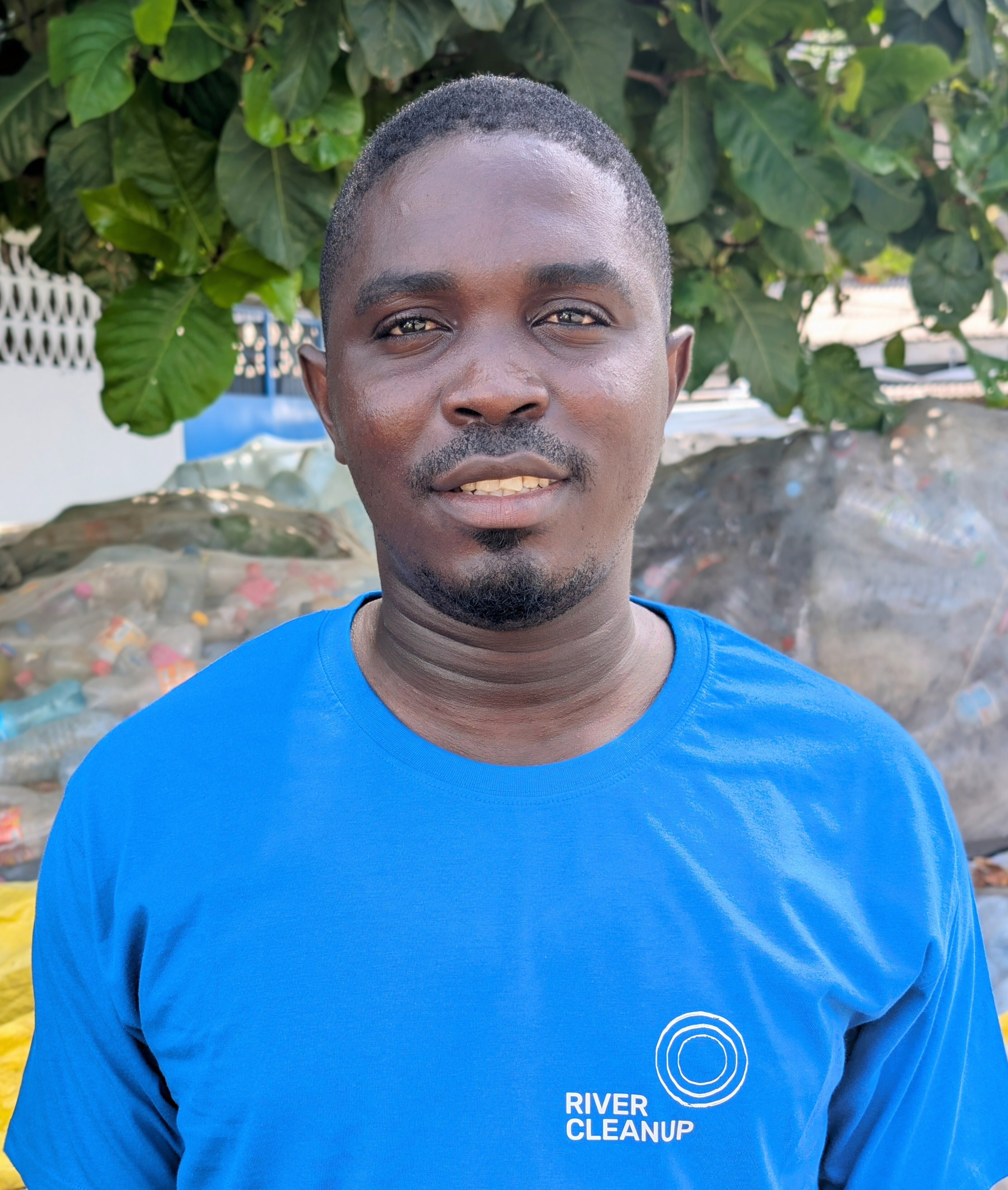
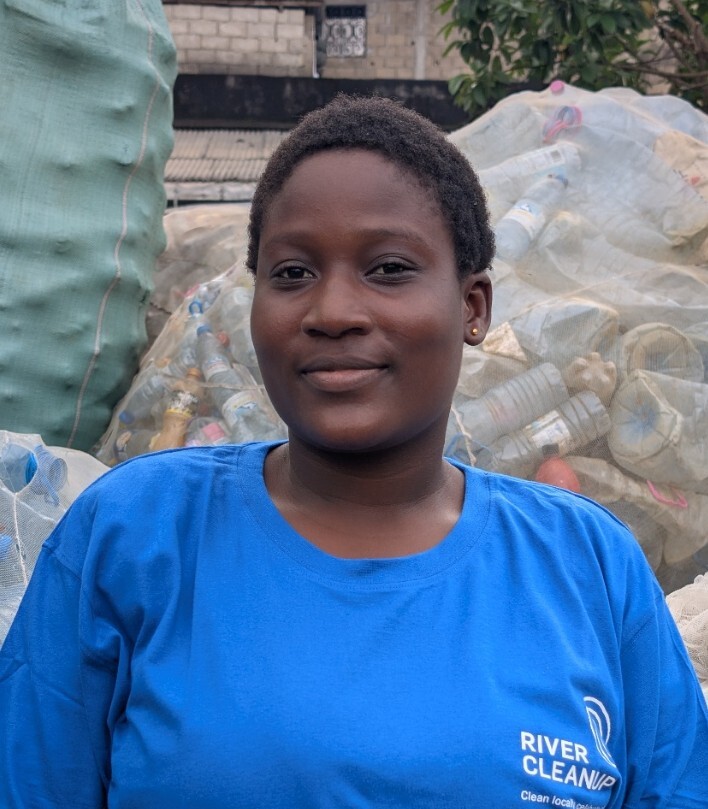
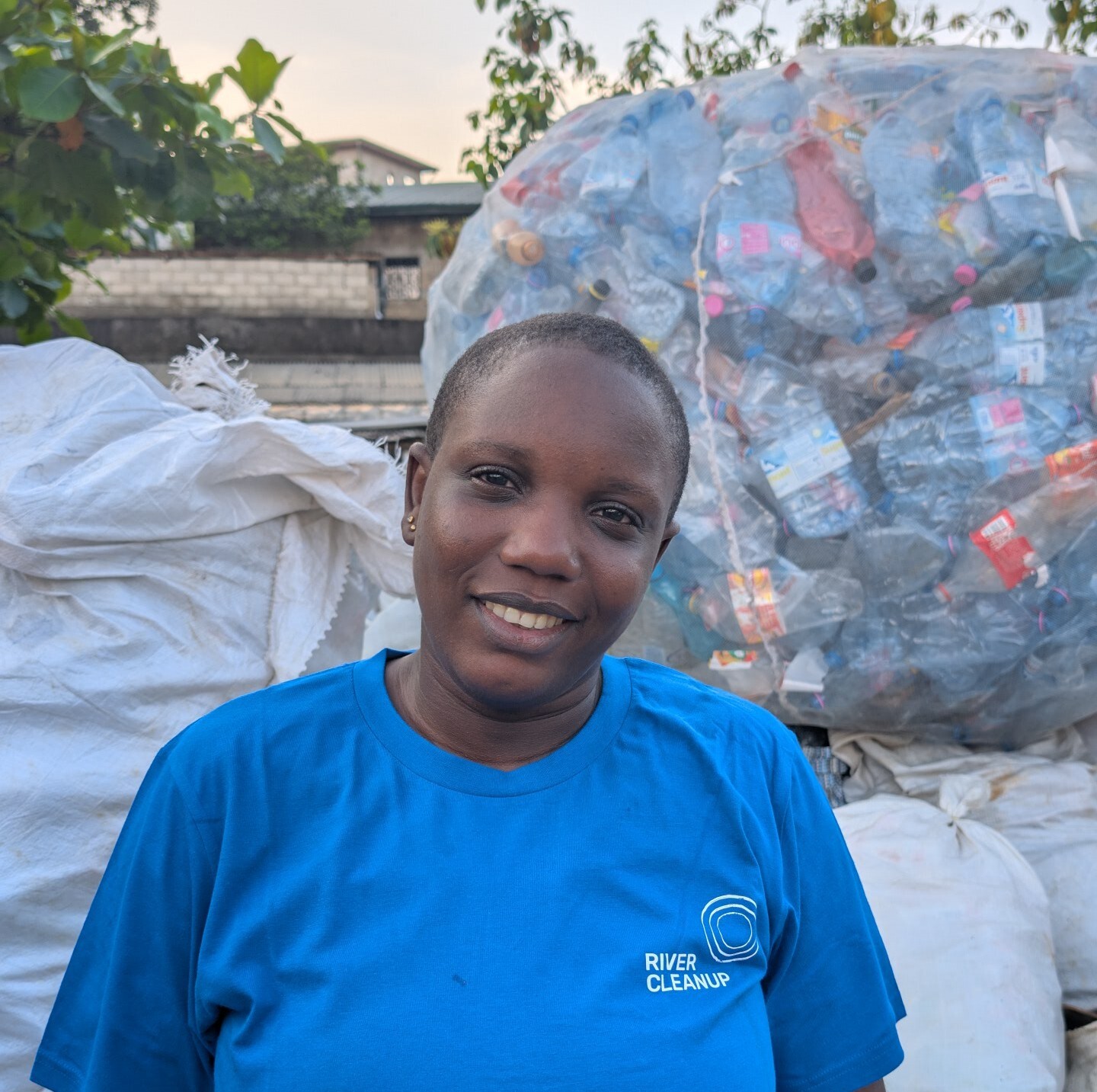
Team
-
ALAVAR
Cleanup Crew Lead
-
Neige-Belvia RENDECKOTTO
Sorting Officer
-
Mirelle KANYIMI
Sorting Officer
-
Marchia YIBIRI
Sorting Officer
-
Trésor KOHOL
Baling Officer
-
Rodrigue MANASSA
Baling Officer
-
Jospin TOGOUMOKO
Cleanup Officer
-
Rufus YANGOUFLO
Cleanup Officer
-
Ulrich ZOAYANG
Cleanup Officer
-
Emile Douala
Cleanup Officer
-
Cédric TSALA
Handling Officer
-
Pius YOUNGE
Cleanup Officer
-
Ronnie TSAGUE
Tricycle Driver
-
Tibeau DASSI
Truck Driver
Open vacancies in Cameroon
We are not currently hiring, but we appreciate your interest and encourage you to check back for future opportunities.