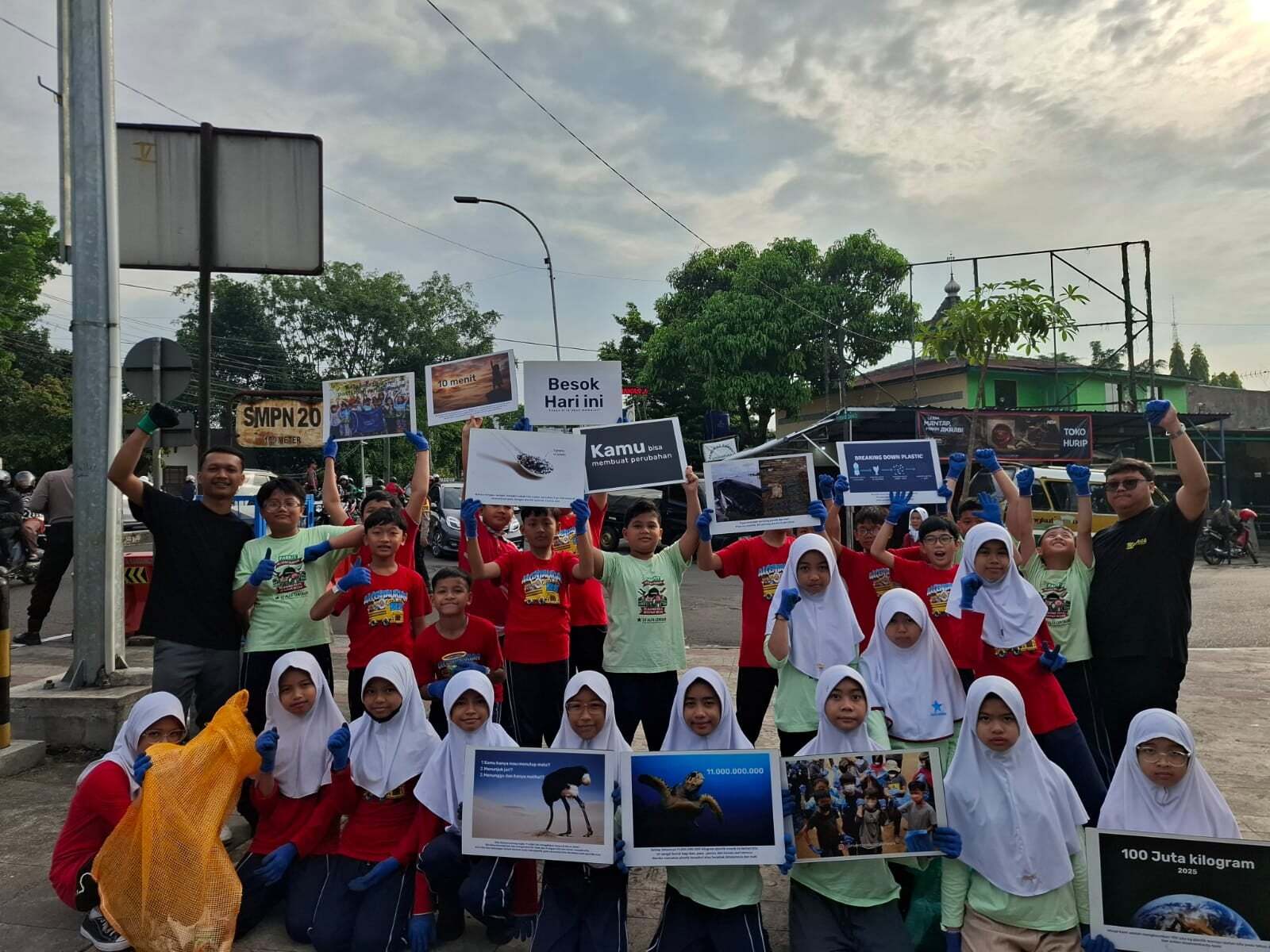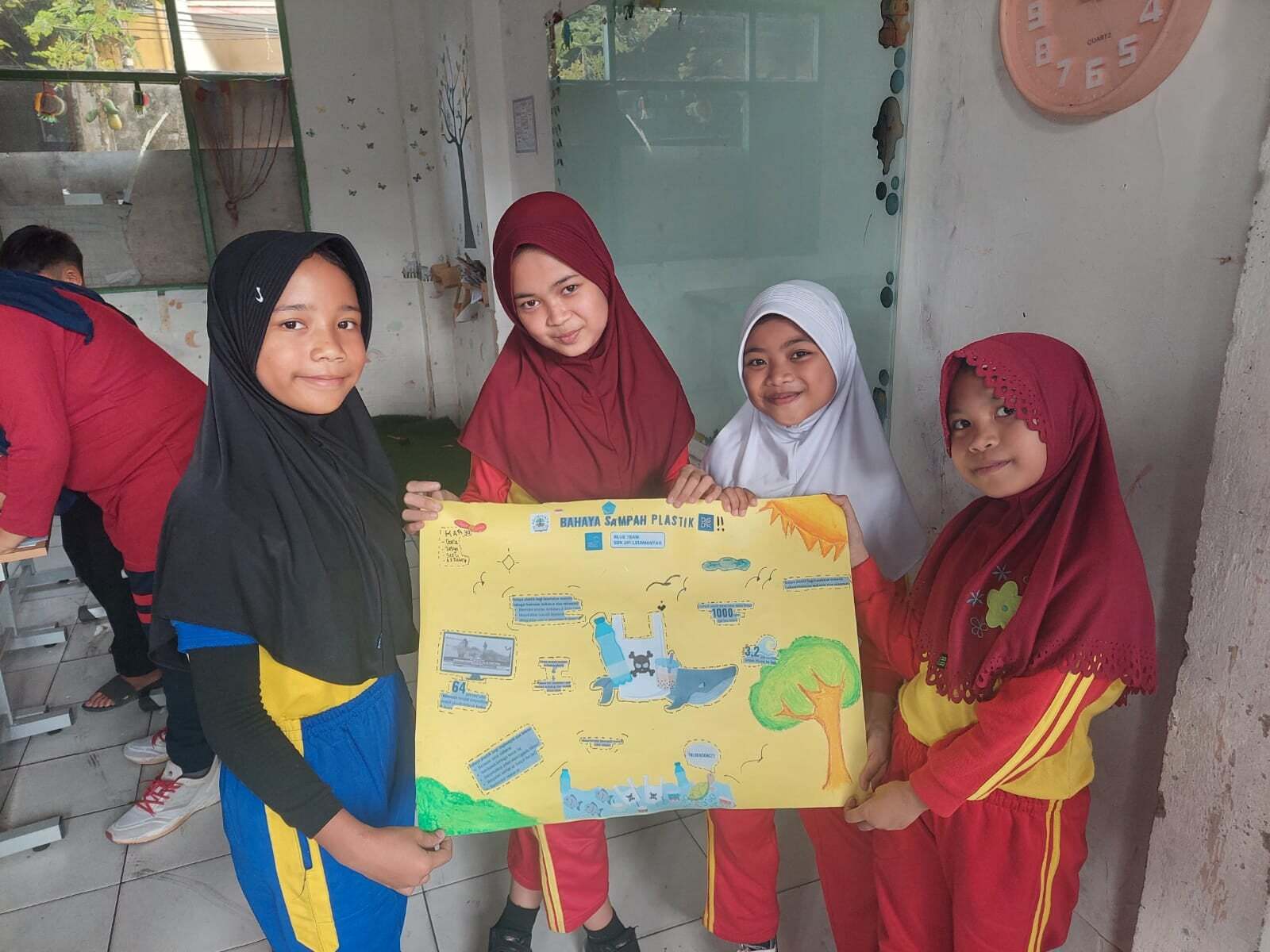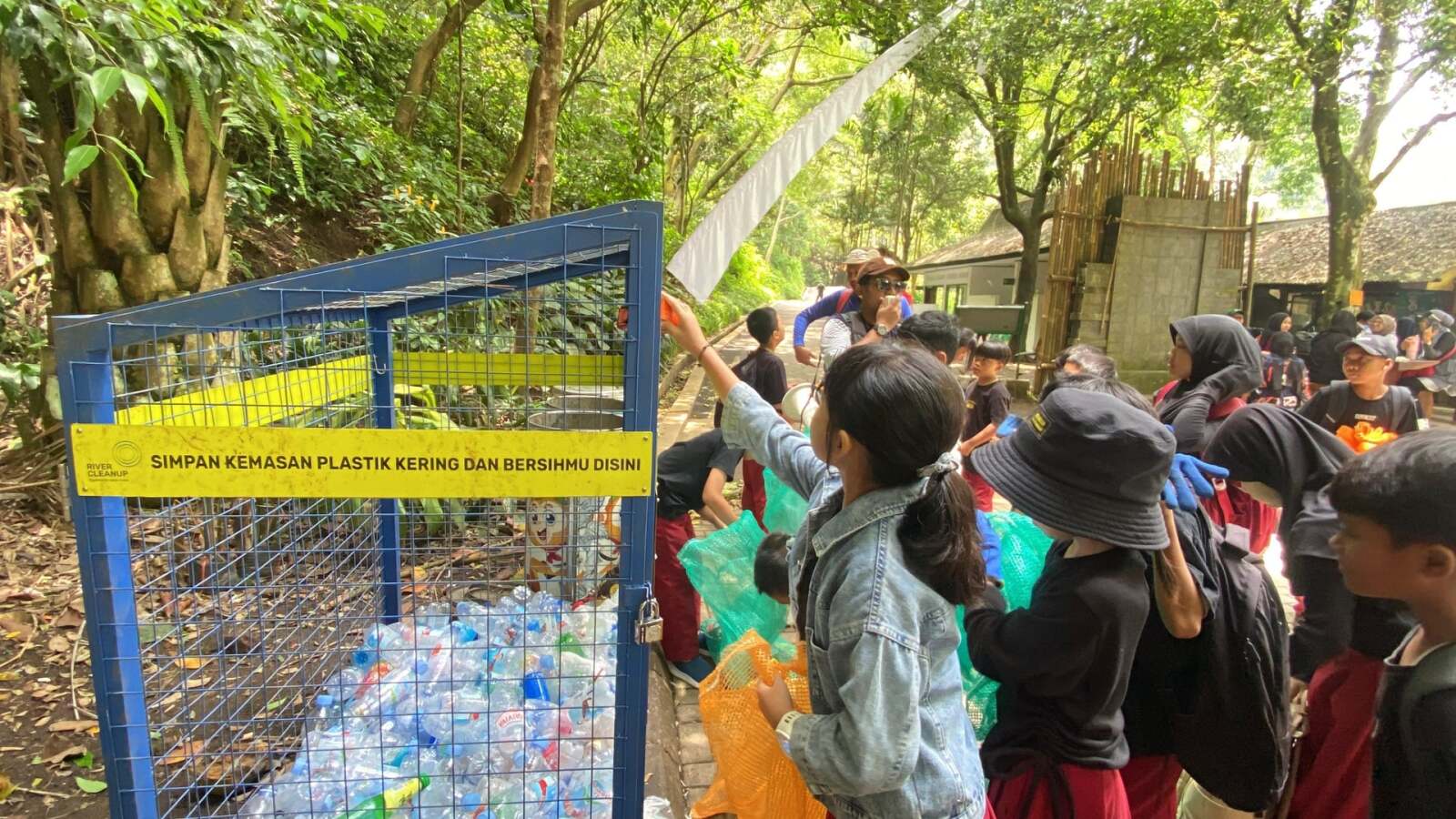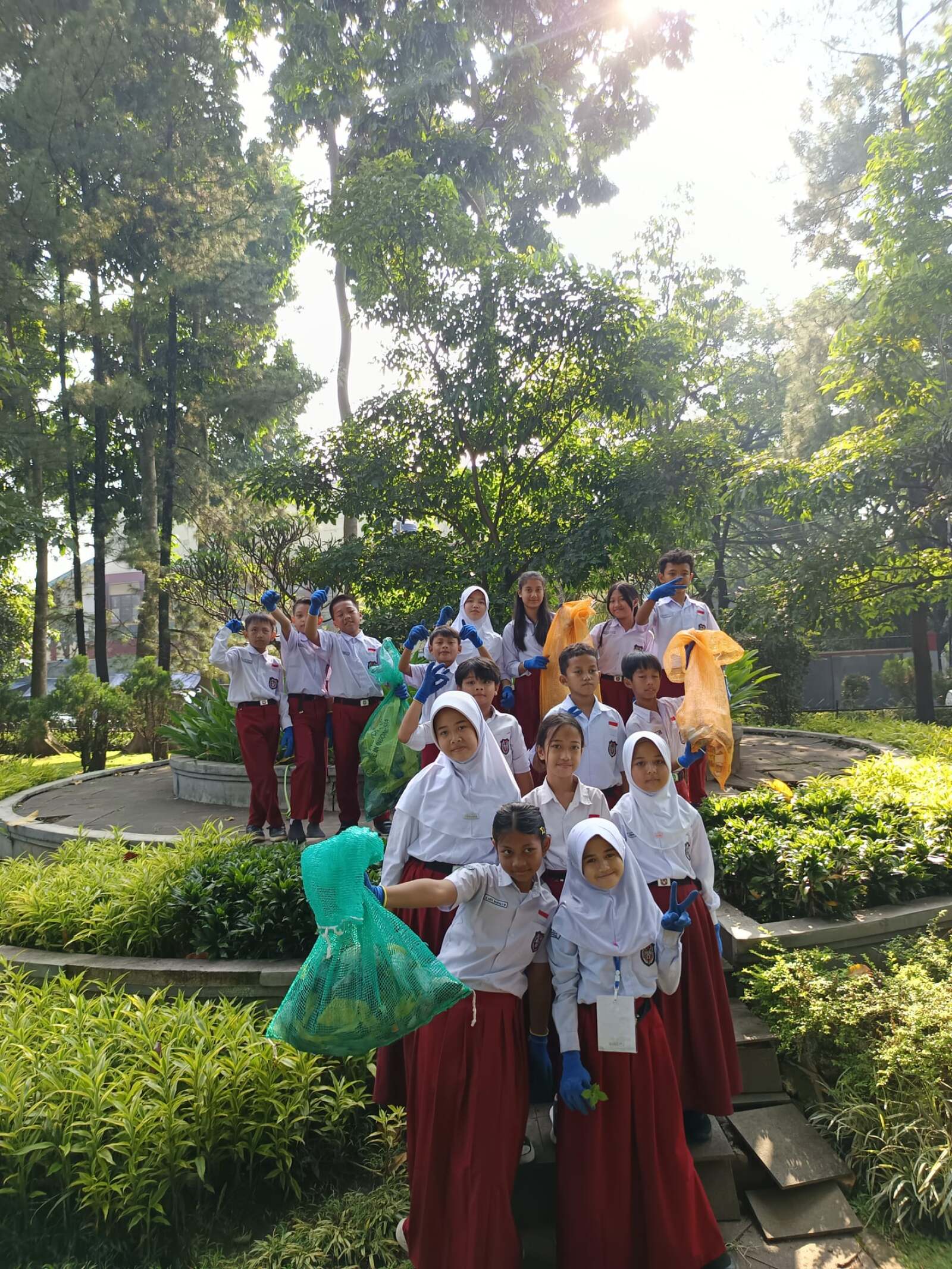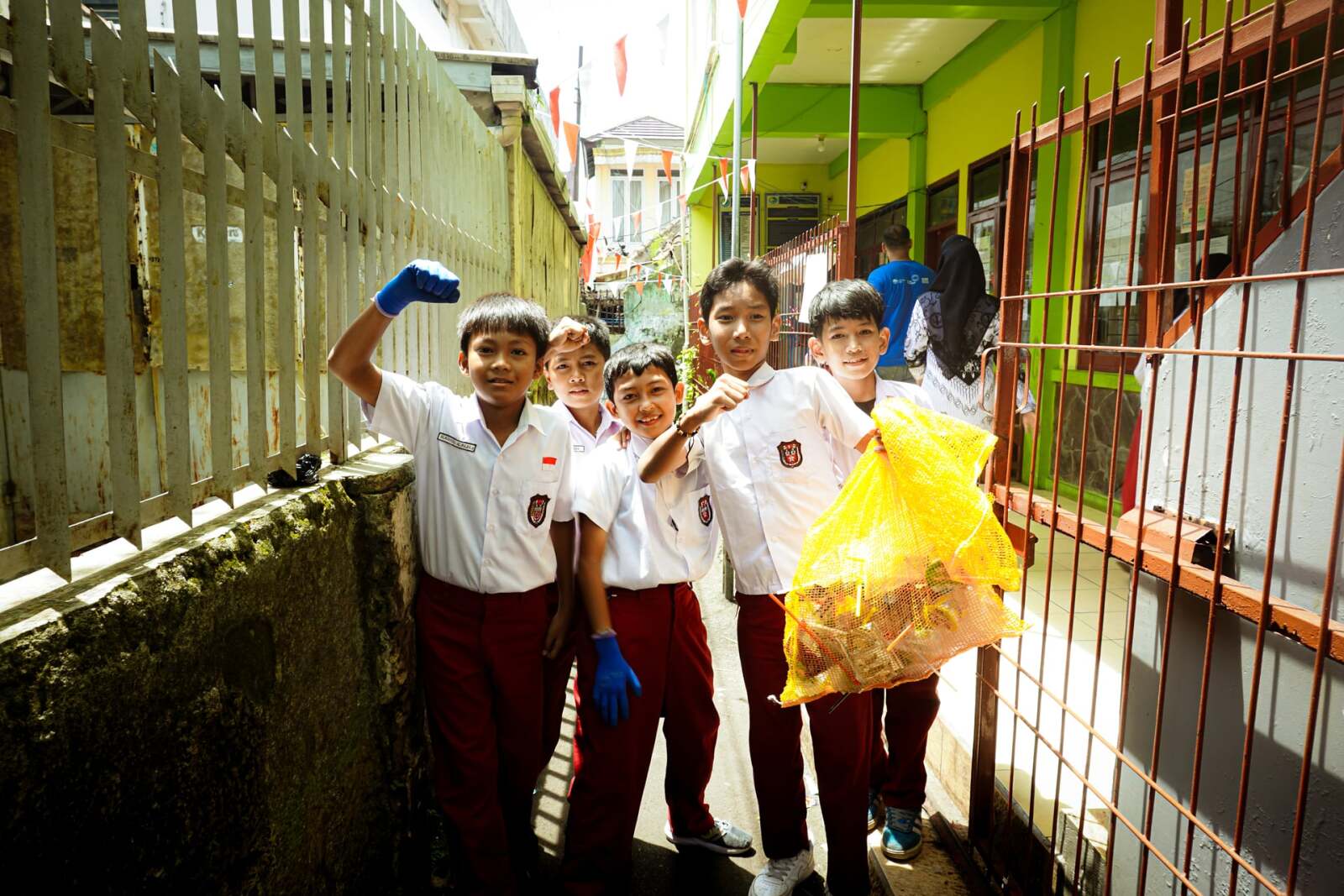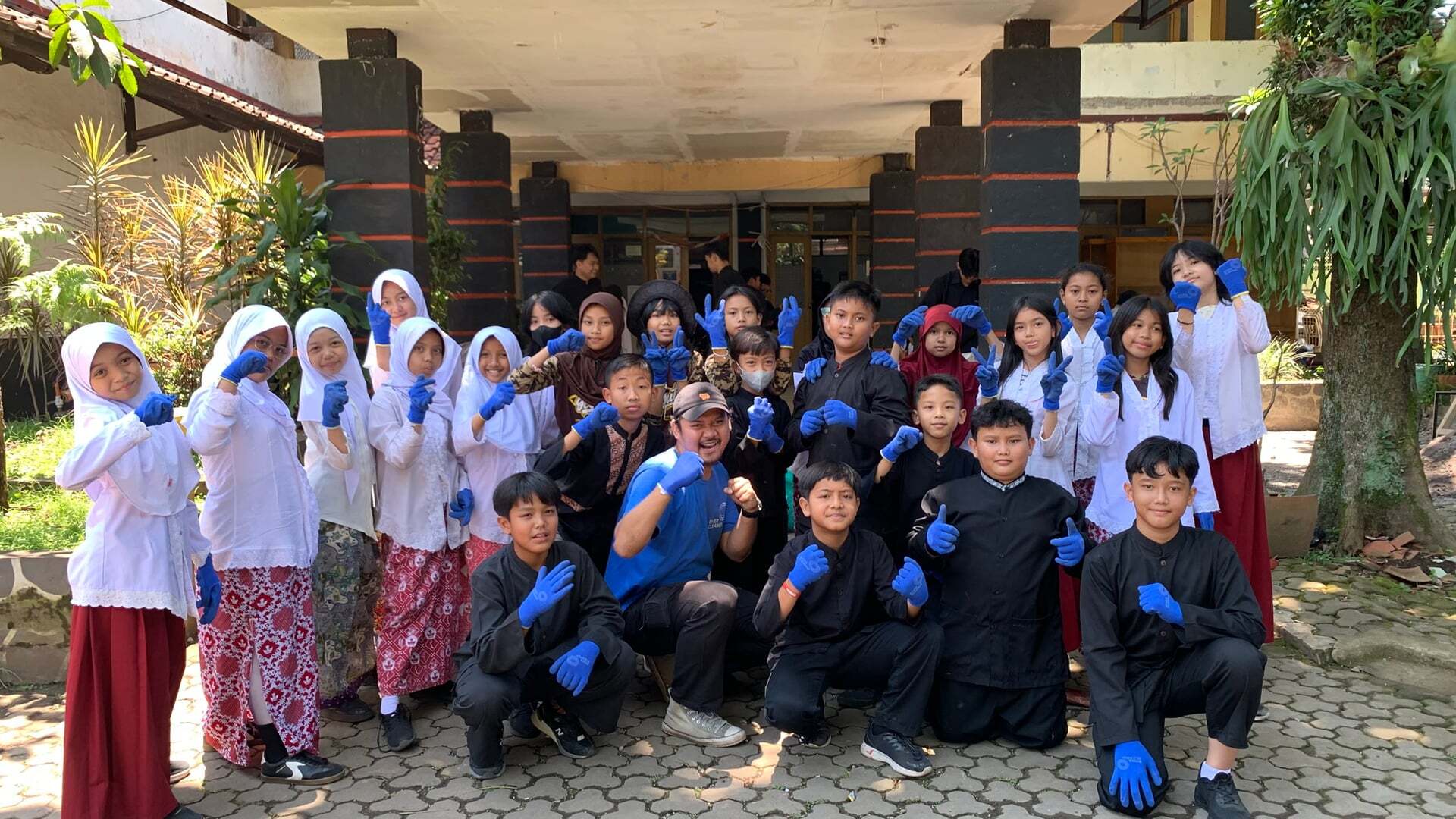
More than 7,800 students across 20 schools in Indonesia are already reducing single-use plastic and changing daily habits at school. This pilot project tested the free global resources that @River Cleanup and @Common Seas developed with the support of Amyas Valora.
In spring of 2025, we took the challenge of developing school resources that teach children around the world about plastic pollution. Together with Common Seas, we hosted a global educator workshop, conducted research and consulted with teachers to assemble the free Student Workbook and Teacher Toolkit we proudly offer on our website today.
To put this educational material into practice, 10 schools in Bandung implemented the program with guidance from River Cleanup, while 10 schools in Surabaya did the same with the Common Seas team. In total, 7,826 primary and secondary students participated across both cities.
To complete the Plastic Clever Schools program, students completed 3 levels:
Inspire, Investigate & Act.
During the first level, students took part in a cleanup around their school, attended an assembly to learn about plastic pollution, and made a pledge to reduce their plastic use. In the Investigate phase, they identified the types of plastic found at school and developed an action plan to tackle the most problematic single-use plastics. Finally, in the Act phase, students implemented their plans and demonstrated change to officially become a Plastic Clever School.
All 20 schools completed every step.
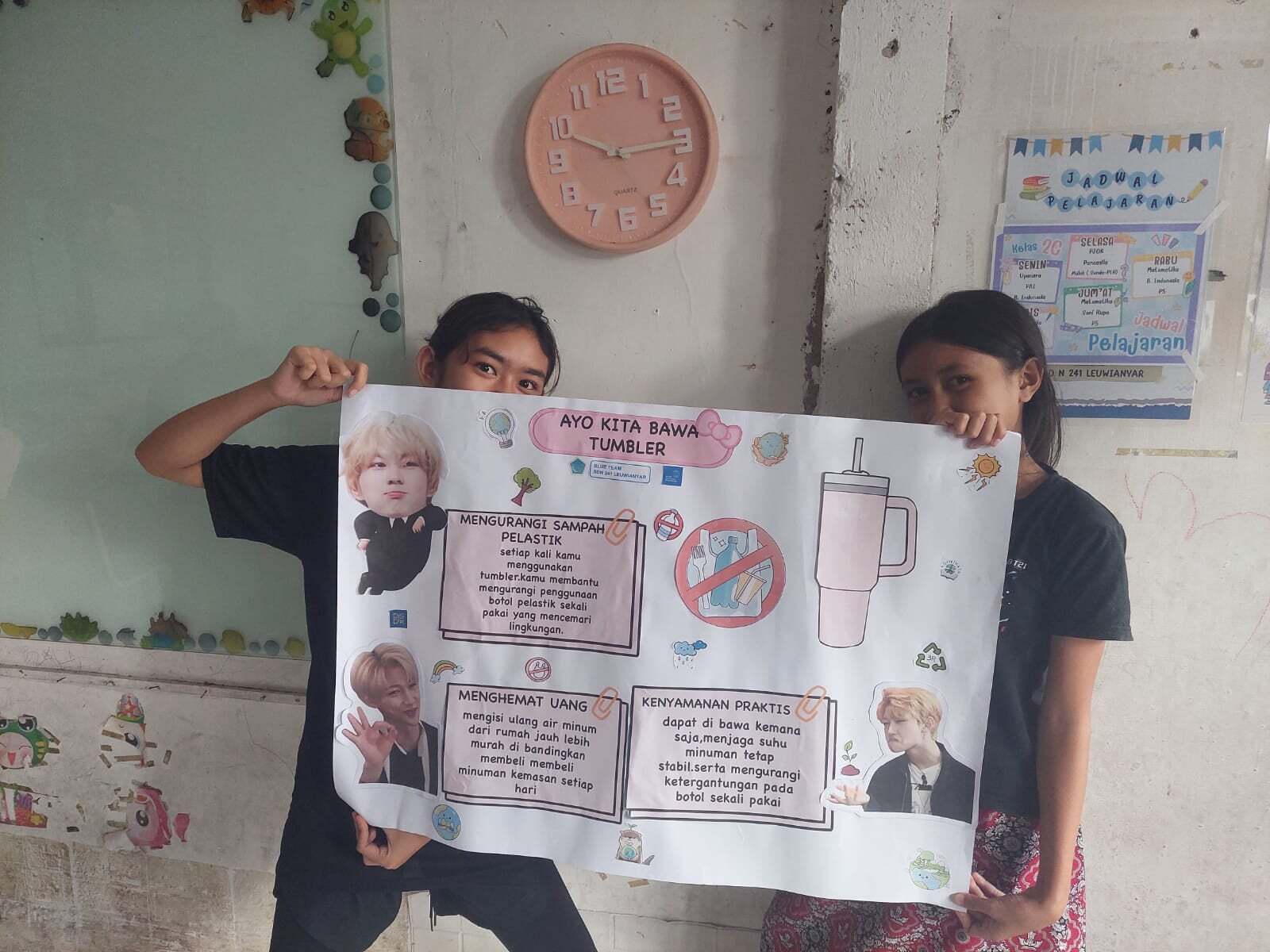
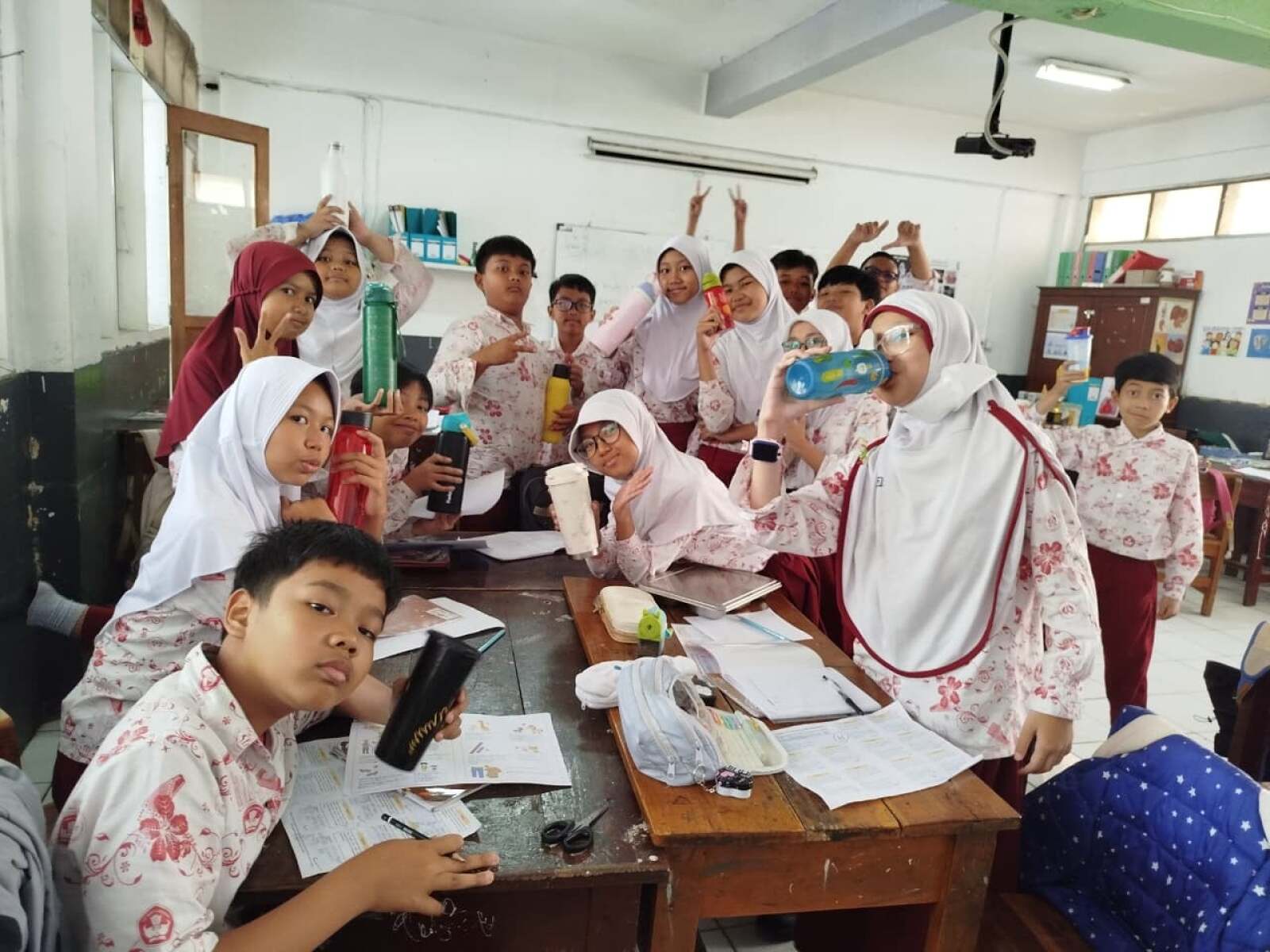
Most schools took action to reduce plastic bottles and food packaging. Students created poster campaigns and spoke to their peers about avoiding plastic pollution. In several schools, change was already visible. Students were bringing reusable bottles and containers, encouraging classmates to reduce plastic use, and taking better care of their surroundings.
"It feels good to see the environment become clean, especially the rivers, and I am happy to be able to help."
- Zahwan from SDN 016 Cipto Padjadjaran
Teachers also reported that these habits were spreading beyond the classroom, with students influencing families and raising awareness in their communities.
To make the action plans more impactful, schools had the opportunity to apply for an action grant. Ten schools received funding to further reduce their use of single-use plastic. The funds supported solutions such as installing water fountains, providing reusable lunch boxes and water bottles, adding storage for reusable items, and organizing activities to involve the wider community.
The improvements had long-lasting effects across each school’s community. Do you know a school that needs to take action for clean rivers? Send them to our Plastic Clever Schools page!