
COP31, the climate summit in Antalya, Turkey, ended in major disappointment. The nearly 200 participating countries failed to agree on a final text due to disagreement over whether fossil fuels should be mentioned. This is particularly regrettable given all the climate-related natural disasters we have witnessed this year.
Yet throughout the entire debate on climate and fossil fuels, one major polluter largely remains unmentioned: plastic. Reducing our plastic consumption is important not only because of environment pollution and the potential health effects of microplastics, but also because of it’s impact on climate.
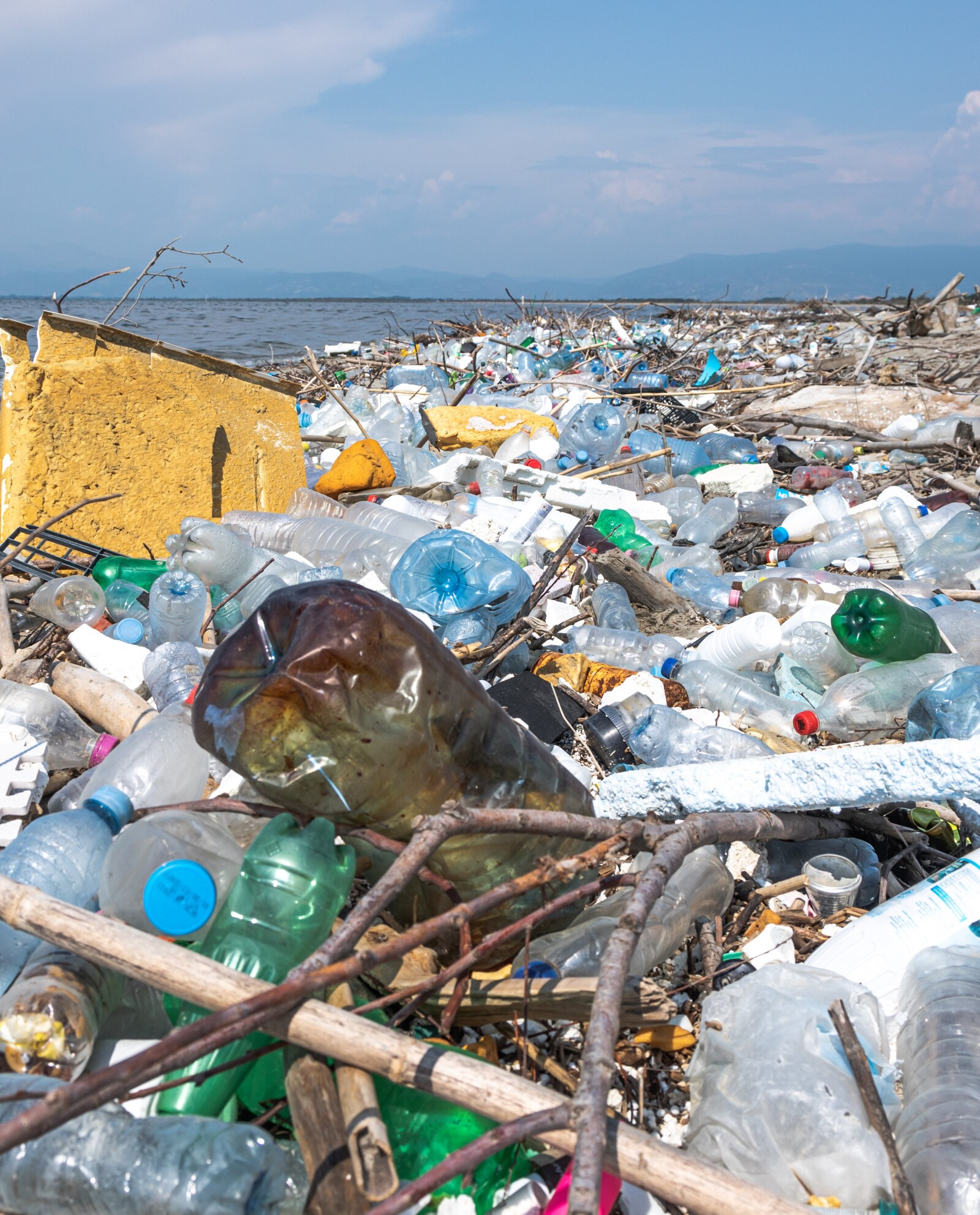
Recent research also points out that plastic contributes to climate change not only through its greenhouse gas emissions. Plastic pollution in the environment also plays a role. A 2026 study indicates that airborne plastic particles overall absorb more energy than they emit, which means they are contributing to atmosphere warming.
Estimates of how much microplastic is in the air vary, but we do know that they are found everywhere: from the deepest depths of the sea to the highest mountain peaks, from bustling cities to deserts, and even Antarctica. Microplastic enter the air as tiny particles break off larger pieces of plastic. This can happen as plastic breaks down on land or at sea, but also through tire wear, the washing and drying of synthetic clothing, and the manufacturing or recycling of plastic. Carried by the wind, these particles then travel to the most remote regions of the Earth.
Research also suggests that microplastic pollution can reduce the ability of nature to absorb CO₂. In the ocean, it can interfere with the carbon pumps by limiting the ability of plankton to take up CO₂. Microplastics in soil disrupt the functioning of soil microorganisms and can thereby alter emissions of greenhouse gases such as CO₂, methane and nitrous oxide, potentially affecting terrestrial ecosystems in the long run. Additionally, microplastics can also discolor polar ice, causing it to reflect less light, warm faster and melt sooner, while also making it harder for polar ice to form.
These effects are thought to be far less significant for the climate than direct greenhouse gas emissions, but they will intensify as we continue to produce more plastic and more microplastics end up in nature.
*These figures represent CO₂ only, rather than CO₂-equivalent, because greenhouse gas emissions from these sectors consist almost entirely of CO₂ and no CO₂ equivalent figures are available.
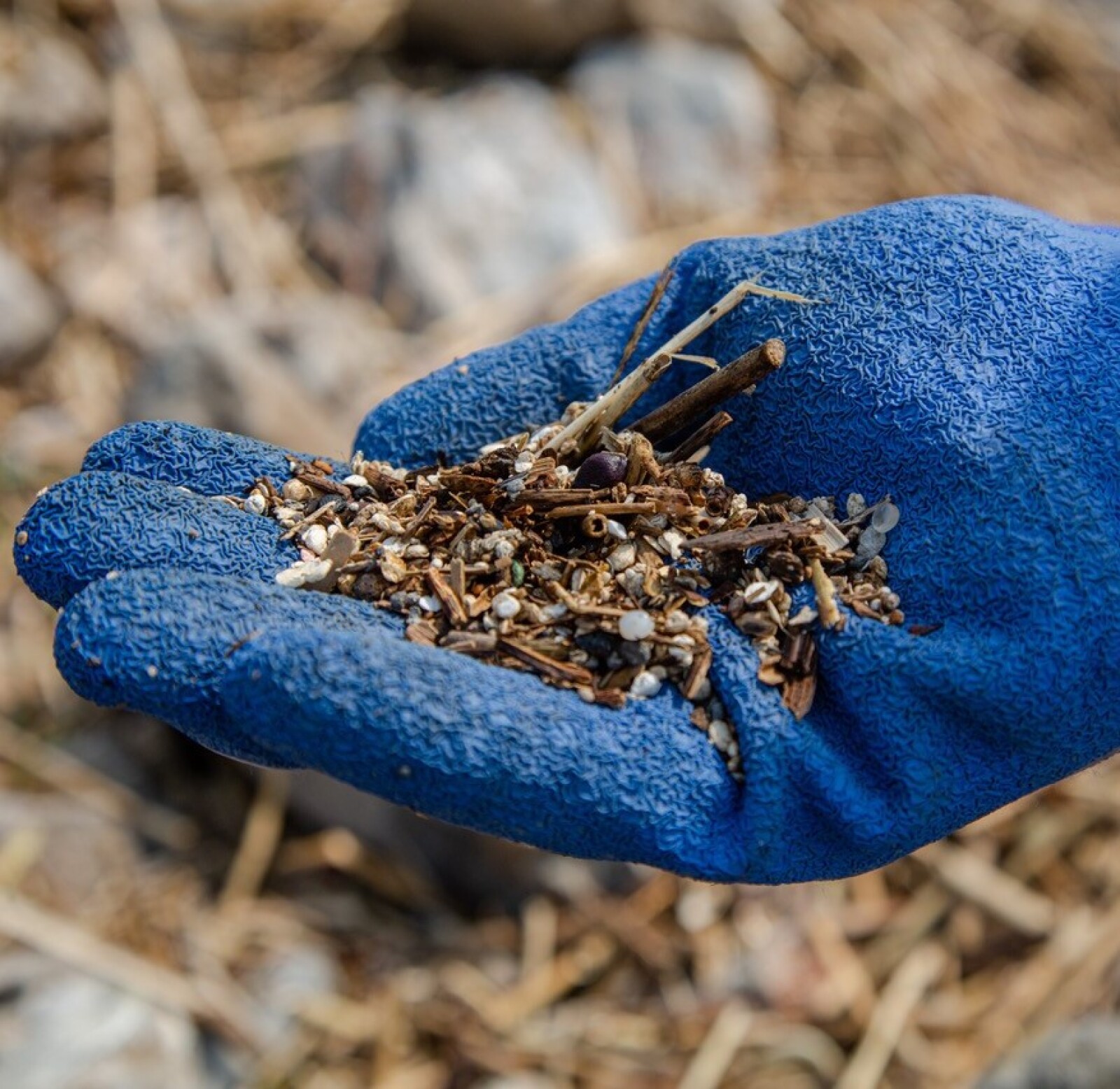
And what about microplastics?
Recent research also points out that plastic contributes to climate change not only through its greenhouse gas emissions. Plastic pollution in the environment also plays a role. A 2026 study indicates that airborne plastic particles overall absorb more energy than they emit, which means they are contributing to atmosphere warming.
Estimates of how much microplastic is in the air vary, but we do know that they are found everywhere: from the deepest depths of the sea to the highest mountain peaks, from bustling cities to deserts, and even Antarctica. Microplastic enter the air as tiny particles break off larger pieces of plastic. This can happen as plastic breaks down on land or at sea, but also through tire wear, the washing and drying of synthetic clothing, and the manufacturing or recycling of plastic. Carried by the wind, these particles then travel to the most remote regions of the Earth.
Research also suggests that microplastic pollution can reduce the ability of nature to absorb CO₂. In the ocean, it can interfere with the carbon pumps by limiting the ability of plankton to take up CO₂. Microplastics in soil disrupt the functioning of soil microorganisms and can thereby alter emissions of greenhouse gases such as CO₂, methane and nitrous oxide, potentially affecting terrestrial ecosystems in the long run. Additionally, microplastics can also discolor polar ice, causing it to reflect less light, warm faster and melt sooner, while also making it harder for polar ice to form.
These effects are thought to be far less significant for the climate than direct greenhouse gas emissions, but they will intensify as we continue to produce more plastic and more microplastics end up in nature.
Conclusion: less plastic, now!
Plastic has an enormous impact on the climate. While most greenhouse gas emissions occur during production, they are also released during waste processing and as plastic breaks down in the environment. Even microplastics in our surroundings can contribute to climate change.
The potential health effects of microplastics are becoming clearer as more research is conducted, but their impact on the climate remains all too often overlooked. Ultimately, the same holds true for both our health and the climate: we must reduce plastic production. That is why we call on world leaders to take steps towards a binding treaty limiting plastic production at the next conference on the plastics treaty in March 2027.
We are also rolling up our sleeves and continuing to invest in all Empower and Prevent activities across our projects, inspiring everyone to use less plastic. Explore our database for alternatives to everyday plastic products.